1. Zamalonda Zathaview
The MOBILETRON MORESENSOR Compact PRO Series TPMS Tire Pressure Sensor (Model KX-S161-4) is a pre-programmed and reprogrammable tire pressure monitoring system sensor designed for a wide range of vehicles. It combines 315MHz and 433MHz dual frequencies into a single universal sensor, offering broad vehicle coverage and reliable performance.

Image 1.1: The MORESENSOR Compact PRO Series TPMS Sensor, showcasing its design and integrated valve stem.
Zofunika Kwambiri:
- Dual Frequency: Combines 315MHz and 433MHz radio frequencies for wide compatibility.
- Kuyenda Kwambiri Magalimoto: Compatible with over 98% of vehicles on the road.
- Moyo Wa Battery Wautali: Features a premium lithium battery, made in Japan, designed to last 8-10 years under normal usage.
- Zosintha: Can be programmed, reprogrammed, or modified using MOBILETRON & ATEQ branded TPMS programmers (e.g., PT46/PT47/VT56).
- Mapangidwe Okhazikika: IP67 waterproof rating and robust construction with reinforced plastic and aluminum valve stem.
- High Pressure Tolerance: Handles a maximum PSI of 116.
- Temperature Rated: Designed to withstand both high and low temperatures.
2. Important Information Before Installation
Before proceeding with installation, it is crucial to review the following guidelines to ensure proper function and compatibility.
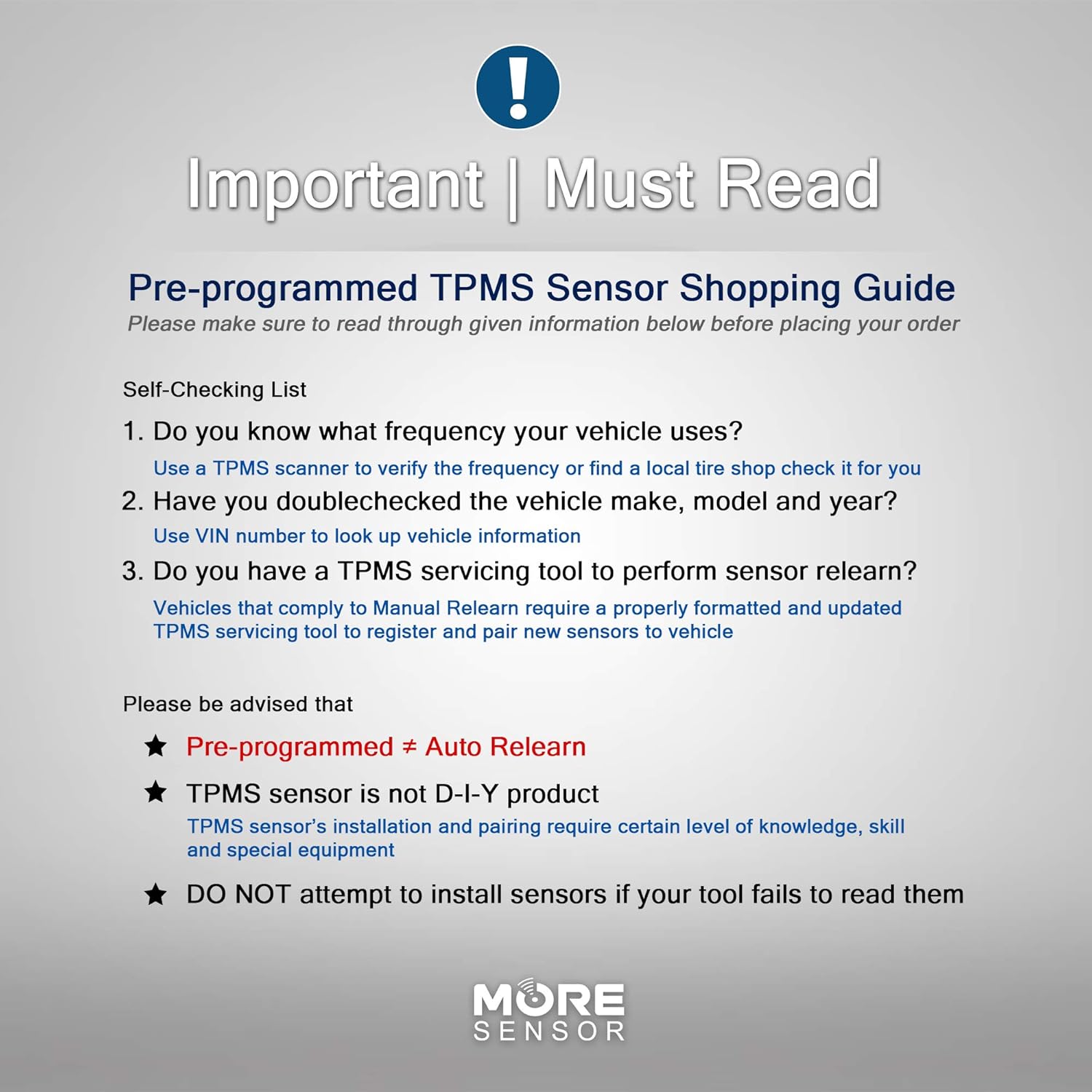
Image 2.1: Pre-programmed TPMS Sensor Shopping Guide.
Self-Checking List:
- Vehicle Frequency: Verify the frequency your vehicle uses. Use a TPMS scanner or consult a local tire shop.
- Kuyenderana Kwagalimoto: Double-check the vehicle make, model, and year. Use the VIN number to look up vehicle information.
- TPMS Servicing Tool: Confirm you have a TPMS servicing tool to perform sensor relearn procedures. Vehicles require a properly formatted and updated TPMS servicing tool to register and pair new sensors.
Chonde dziwani:
- Pre-programmed does ayi equate to Auto Relearn.
- TPMS sensor installation is ayi a Do-It-Yourself (DIY) product. It requires specific knowledge, skills, and specialized equipment.
- OSA attempt to install sensors if your diagnostic tool fails to read them.

Image 2.2: Additional important information and disclaimer.
3. Kukhazikitsa ndi Kuyika
Installation of TPMS sensors should only be performed by qualified and certified mechanics with adequate tools and experience. Incorrect installation can lead to sensor malfunction and potential safety hazards.
Installation Steps (Professional Installation Recommended):
- Chongani Choyikiratu: Before mounting, use a service scanner to test and read the sensors to confirm they are responding. Do not install if sensors are not detected by the scanner.
- Kukwera: Install the sensor onto the wheel rim according to standard TPMS installation procedures. The sensor is pre-assembled for ease of installation.
- Programming/Relearn: After physical installation, the sensor requires pairing or a relearn procedure to communicate with the vehicle's ECU system. This process transmits tire pressure, tire location, and other relevant data.

Image 3.1: The sensor is pre-assembled for straightforward installation.
Programming and Compatibility:
The MORESENSOR Compact PRO Series sensors are designed for easy programming and broad compatibility.
- Kugwirizana Kwachilengedwe: These sensors are compatible with 98%+ of vehicles on the road, reducing the need for multiple sensor types.
- Mapulogalamu Zida: Sensors can be programmed or modified using MOBILETRON & ATEQ branded TPMS programmers (e.g., PT46, PT47, VT56).
- Scanner Readability: They can be read by any standard TPMS scanner or diagnostic tool.

Image 3.2: Mobiletron PT47 and other compatible programmers for sensor configuration.

Image 3.3: An OBD2 module, indicating relearn readiness for the sensors.
Video 3.1: An official product video demonstrating the features and compatibility of MORESENSOR TPMS sensors, including programming and installation aspects.
4. Malangizo Ogwiritsira Ntchito
Once properly installed and programmed, the MORESENSOR Compact PRO Series TPMS sensors automatically monitor your tire pressure and transmit data to your vehicle's TPMS receiver.
Sensor magwiridwe antchito:
- Automatic Monitoring: Sensors continuously monitor tire pressure and temperature.
- Mphamvu ya Signal: Engineered for excellent signal strength, ensuring reliable communication with the vehicle's system.
- Environmental Resilience: Designed for use in various conditions, including off-road and winter tires, and rated for high and low temperatures.

Image 4.1: Illustration of maximum connectivity and signal strength from the sensor to the vehicle's system.

Image 4.2: The sensor's compatibility with various tire types, including off-road and winter tires.
5. Kusamalira
The MORESENSOR Compact PRO Series TPMS sensors are designed for durability and minimal maintenance. Regular tire maintenance, including proper inflation and rotation, will help prolong the life of your sensors.
Moyo Wa Battery:
The sensors are equipped with a premium lithium battery, manufactured in Japan, which provides an expected lifespan of 8-10 years under normal operating conditions. Battery replacement is not typically performed separately from sensor replacement due to the sealed unit design.

Image 5.1: The sensor's internal battery, highlighting its 8-10 year lifespan.
6. Mavuto
If you encounter issues with your TPMS sensors, consider the following troubleshooting steps. Professional assistance is recommended for diagnosis and repair.
Mavuto Odziwika ndi Mayankho:
- Sensor Not Responding to Scanner: If a service scanner cannot detect or read the sensors (e.g., display sensor ID, frequency, battery status, PSI) prior to or after installation, do not proceed with installation or seek professional diagnosis. This may indicate an incompatible tool or a faulty sensor.
- TPMS Warning Light On: After installation, if the TPMS warning light remains on, a relearn procedure may be required. Ensure the correct TPMS servicing tool is used and updated. Drive the vehicle for a short period (e.g., 5-10 minutes) at a consistent speed to allow sensors to register.
- Zolakwika: Verify tire pressure with a reliable manual gauge. If readings are consistently inaccurate, the sensor may require reprogramming or replacement.

Image 6.1: A technician using a TPMS scanner to check sensor functionality.
7. Zofotokozera
Detailed technical specifications for the MORESENSOR Compact PRO Series TPMS Sensor (Model KX-S161-4).
| Mbali | Kufotokozera |
|---|---|
| Nambala ya Model | KX-S161-4 |
| OEM Part Number Replacement | 1034602 |
| pafupipafupi | 315MHz / 433MHz (Dual Frequency) |
| Moyo wa Battery | 8-10 years (Premium Lithium, Made in Japan) |
| Kuyesa Kwamadzi | IP67 |
| Mtengo wapatali wa magawo PSI | 116 PSI |
| Zakuthupi | Reinforced Plastic and Aluminum Valve Stem |
| Makulidwe (L x W x H) | 3 x 2 x 1 mainchesi |
| Kulemera kwa chinthu | 8 pawo |
| Kulondola kwa Miyeso | ±2% |
| Mtundu Wokwera | Phiri la Flange |
| Zapadera | Fixed Angle Valve Stem, Reprogrammable |

Image 7.1: Detailed dimensions of the Compact PRO Series sensor.
8. Chitsimikizo ndi Thandizo
Zambiri za Chitsimikizo:
- The MORESENSOR Compact Series comes with a Chitsimikizo Chochepa Chazaka 5.
- The sensor battery is covered by a Chitsimikizo Chochepa Chazaka 3.
For specific warranty details or to make a claim, please consult the manufacturer directly or refer to the product packaging.
Thandizo la Makasitomala:
For further assistance, technical support, or additional information regarding your MORESENSOR TPMS sensors, please contact MOBILETRON customer service. Contact details can typically be found on the product packaging or the official MOBILETRON webmalo.
Chodzikanira:
Mobiletron and its distributors shall not be held responsible for labor/service costs incurred from installation when TPMS failed to function due to improper handling, incompatible scan tool, or lack of relearn information and experience. No reimbursement will be applicable if sensor replacement is performed by a DIYer or an uncertified mechanic/technician. Mobiletron provides warranty for the product only and is not liable for any costs incurred from product installation service, equipment, alignment, and other inspection fees.


