1. Mawu Oyamba
Thank you for choosing the TFA 35.1133.01 Sun Funk Weather Station. This device provides accurate indoor and outdoor temperature readings, along with a weather forecast based on atmospheric pressure changes. This manual will guide you through the setup, operation, and maintenance of your weather station to ensure optimal performance and longevity.
2. Zambiri Zachitetezo
- Read this instruction manual carefully before using the device.
- Sungani bukuli kuti mugwiritse ntchito mtsogolo.
- Osawonetsa chipangizocho ku kutentha kwambiri, kugwedezeka, kapena kugwedezeka.
- Pewani kuwala kwa dzuwa ndi chinyezi.
- Osamiza chipangizocho m'madzi.
- Use only specified batteries. Ensure correct polarity.
- Remove depleted batteries promptly to prevent leakage.
- Do not attempt to repair the device yourself. Contact qualified personnel for service.
- Sungani chipangizo ndi mabatire kutali ndi ana.
3. Zamkatimu Phukusi
Chonde onetsetsani kuti zigawo zonse zilipo komanso zosawonongeka:
- TFA 35.1133.01 Main Weather Station Unit
- SENSOR Panja Yopanda zingwe
- Buku la Malangizo
- Note: Batteries (4 x AAA) are typically required and may not be included.
4. Zamalonda Zathaview
The TFA 35.1133.01 Sun Funk Weather Station consists of a main display unit and a wireless outdoor sensor. The main unit displays indoor temperature, outdoor temperature, and a weather forecast. The outdoor sensor transmits temperature data wirelessly to the main unit.
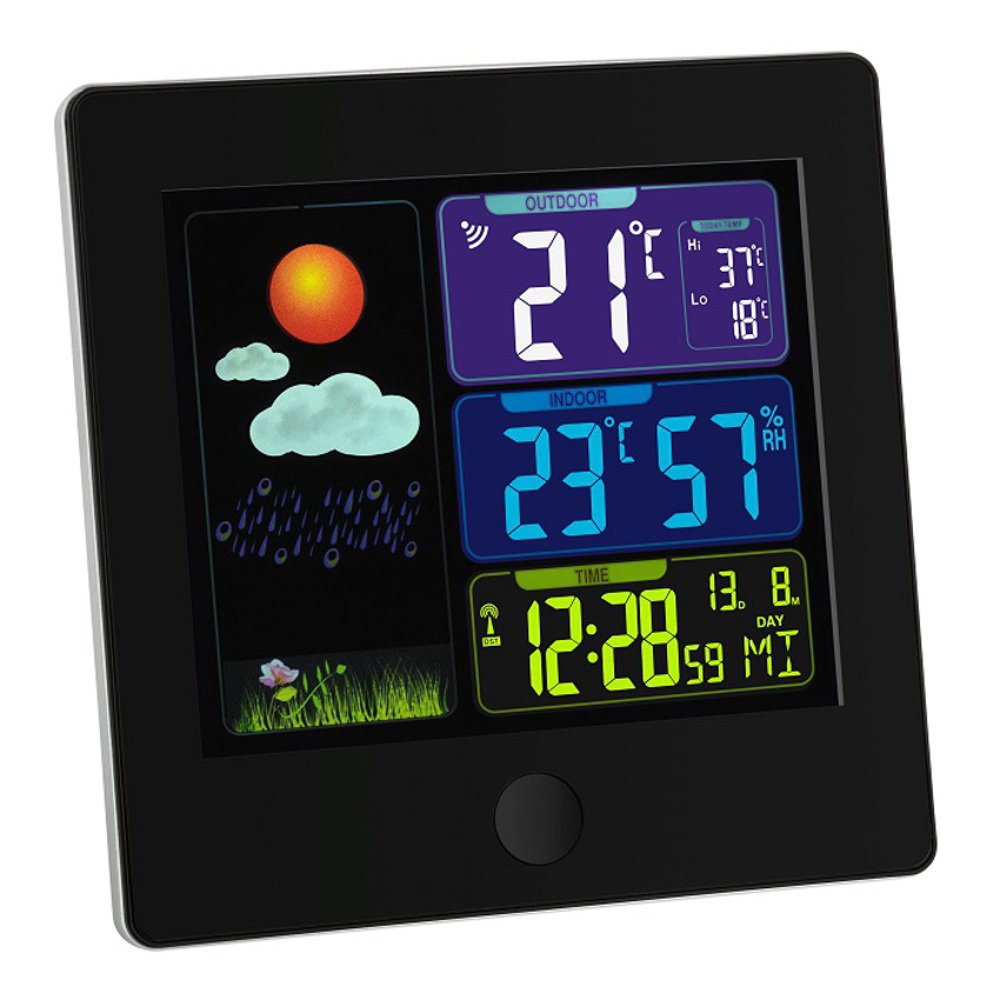
Image 1: TFA 35.1133.01 Sun Funk Weather Station. This image shows the main display unit and the compact wireless outdoor sensor. The main unit features a clear digital display, while the outdoor sensor is designed for external placement.
Magawo Akuluakulu:
- Large LCD display for easy reading.
- Indoor temperature display.
- Outdoor temperature display (from wireless sensor).
- Weather forecast icons (sunny, partly cloudy, cloudy, rainy).
- Radio-controlled clock (DCF77 signal for automatic time synchronization).
- Chipinda cha batri.
Outdoor Sensor Features:
- Sensa ya kutentha.
- Wireless transmission to the main unit.
- Chipinda cha batri.
- Wall mounting option.
5. Kukhazikitsa
5.1 Kuyika kwa Battery
- Sensor Yakunja: Open the battery compartment cover on the back of the outdoor sensor. Insert 2 x AAA batteries, observing the correct polarity (+/-). Close the cover securely.
- Chigawo Chachikulu: Open the battery compartment cover on the back of the main unit. Insert 2 x AAA batteries, observing the correct polarity (+/-). Close the cover securely.
- Important: Always insert batteries into the outdoor sensor first, then into the main unit. This ensures proper synchronization.
5.2 Kuyika kwa Sensor
- Place the outdoor sensor in a shaded, dry location, protected from direct sunlight and rain, to ensure accurate temperature readings.
- Ensure the sensor is within the wireless range of the main unit (typically up to 30 meters in open air). Walls and other obstacles can reduce this range.
- Avoid placing the sensor near heat sources (e.g., vents, windows) or cold sources (e.g., refrigerators).
5.3 Kuyanjanitsa Koyamba ndi Kukhazikitsa Nthawi
- After inserting batteries, the main unit will automatically search for the outdoor sensor signal. This may take a few minutes. The outdoor temperature will appear on the display once connected.
- The main unit will also attempt to receive the DCF77 radio time signal. This signal automatically sets the correct time and date. Place the main unit near a window for better reception. This process can take several minutes or even hours, depending on your location and signal strength.
- If the DCF77 signal is not received, you may need to manually set the time and date. Refer to the specific button functions on your device (e.g., MODE, SET buttons) for manual adjustment.
6. Malangizo Ogwiritsira Ntchito
6.1 Zambiri Zowonetsera
The main unit's display typically shows the following information:
- Nthawi ndi Tsiku: Automatically set by the DCF77 radio signal.
- Kutentha Kwa M'nyumba: Kutentha kwamakono kuyeza ndi gawo lalikulu.
- Kutentha Kwakunja: Current temperature transmitted from the wireless sensor.
- Chanyengo: Represented by icons (e.g., sun, clouds, rain) indicating predicted weather changes based on atmospheric pressure trends.
- Chizindikiro Champhamvu ya Signal: For both the outdoor sensor and the DCF77 time signal.
6.2 Button Functions (Example)
While specific button labels may vary, common functions include:
- MALO/KUKHALA: Used to switch between display modes (e.g., time, alarm) or to enter setting mode.
- +/ADJ: Used to increase values during setting or to manually adjust time/date.
- -/MEM: Used to decrease values during setting or to view minimum/maximum temperature records.
- Channel: If multiple outdoor sensors are supported, this button cycles through channels.
Refer to the specific button layout on your device for precise functions.
7. Kusamalira
7.1 Kusintha kwa Battery
- When the battery indicator appears on the display, replace the batteries in the respective unit (main unit or outdoor sensor).
- Always replace all batteries in a unit at the same time with new ones of the same type.
- Tayani mabatire atha malinga ndi malamulo amderalo.
7.2 Kuyeretsa
- Tsukani chipangizocho ndi chofewa, damp nsalu. Osagwiritsa ntchito zotsukira abrasive kapena solvents.
- Ensure no moisture enters the device's interior.
7.3 Kusungirako
- Ngati chipangizocho sichidzagwiritsidwa ntchito kwa nthawi yayitali, chotsani mabatire onse kuti musatuluke.
- Sungani chipangizocho pamalo ozizira, owuma.
8. Mavuto
| Vuto | Chifukwa Chotheka | Yankho |
|---|---|---|
| Palibe chiwonetsero pa main unit. | Depleted or incorrectly inserted batteries. | Sinthani mabatire, kuonetsetsa kuti polarity ndi yolondola. |
| Outdoor temperature not displayed or flashing. | Outdoor sensor out of range, depleted batteries, or interference. |
|
| Incorrect outdoor temperature reading. | Sensor exposed to direct sunlight or heat source. | Relocate the outdoor sensor to a shaded, well-ventilated area. |
| Time not automatically set (DCF77 signal). | Kusalandira bwino kwa chizindikiro chifukwa cha malo kapena kusokoneza. |
|
9. Zofotokozera
| Mbali | Tsatanetsatane |
|---|---|
| Nambala ya Model | 35.1133.01 |
| Mtundu | TFA-Dostmann |
| Miyeso Yazinthu | Main Unit: 2.5 x 12 x 12 cm; 168 g |
| Power (Main Unit) | 2 x AAA mabatire (osaphatikizidwe) |
| Power (Outdoor Sensor) | 2 x AAA mabatire (osaphatikizidwe) |
| Zakuthupi | Pulasitiki |
| Mbali Yapadera | Lightweight, Radio-controlled time (DCF77) |
| Analimbikitsa Ntchito | Indoor/Outdoor temperature monitoring |
| Mtundu wopanda waya | Up to 30 meters (open air, may vary with obstacles) |
10. Chitsimikizo ndi Thandizo
10.1 Chidziwitso cha Chitsimikizo
This product is typically covered by a 1-zaka zamalonda chitsimikizo from the date of purchase. This warranty covers manufacturing defects and material faults. It does not cover damage caused by improper use, accidents, unauthorized repairs, or normal wear and tear. Please retain your proof of purchase for warranty claims.
10.2 Thandizo la Makasitomala
For technical assistance, warranty claims, or further information, please contact your retailer or the manufacturer's customer service department. Contact details can usually be found on the product packaging or the manufacturer's official webmalo.
Wopanga: TFA-Dostmann


