1. Mawu Oyamba
The Chuango PIR-926 is an advanced passive infrared (PIR) motion sensor designed for outdoor security applications. It features patented infrared technology, fuzzy logic, and a sophisticated algorithm to accurately detect human body movements while effectively reducing interference and false alarms. Its dual detection capability, combining infrared and microwave sensing, enhances reliability. Equipped with a solar panel and a waterproof housing, this sensor is ideal for various outdoor environments.

Figure 1: Chuango PIR-926 Motion Sensor Overview
2. Zinthu Zogulitsa
- Improved detection algorithm, preventing false alarms through integrated infrared and microwave sensors.
- Built-in solar charger and waterproof housing, making it suitable for outdoor installation.
- Wide detection range: 8 meters with a 110-degree angle.
- Powered by a rechargeable lithium battery: 3.7 V, 1800 mAh.
- Extended standby time of up to 150 days.
- Compact detector dimensions: 186 x 200 x 125 mm (L x W x H).
- Effective frequency range: up to 80 meters in open areas.
3. Zigawo Zathaview
Familiarize yourself with the main components of the PIR-926 motion sensor before installation.

Figure 2: Sensor Components. Includes Solar Panel, Fixing Screw, LED Indicator, Fresnel Lens, Detector, Base, and Wall Bracket.
- Solar Panel: Imayitanitsa batire lamkati.
- Chizindikiro cha LED: Amapereka ndemanga pa momwe zinthu zilili.
- Lens ya Fresnel: Focuses infrared radiation for detection.
- Chodziwira: Main sensing unit.
- Pansi: Connects the detector to the mounting bracket.
- Fixing Screw: Secures the sensor to the bracket.
- Khoma la Khoma: Used for mounting the sensor to a wall or surface.
4. Kukhazikitsa ndi Kuyika
Proper installation is crucial for optimal performance and to minimize false alarms. Follow these steps carefully:
4.1 Kukweza Khoma
- Select a suitable location on a wall, ensuring it is within the desired detection area and receives adequate sunlight for the solar panel.
- Secure the wall bracket to the chosen surface using appropriate screws and anchors.
- Attach the sensor unit to the wall bracket, ensuring it is firmly connected and can be adjusted for optimal angle.
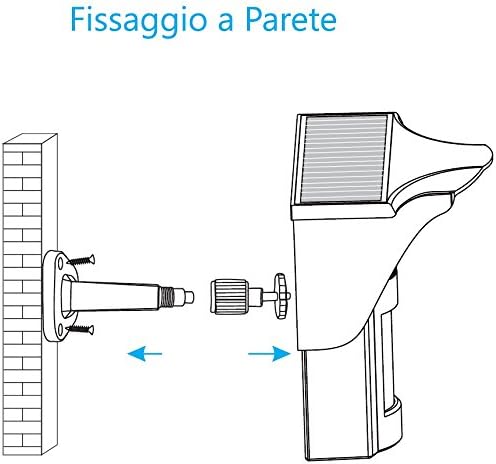
Figure 3: Wall Mounting Procedure. The sensor attaches to a bracket secured to the wall.
4.2 Optimal Placement Guidelines
To ensure accurate detection and prevent false alarms, adhere to the following placement recommendations:
- Kutalika Kokwera: Install the sensor at approximately 2 meters (6.5 feet) from the ground for optimal detection coverage.
- Malo Odziwika: Position the sensor to cover the desired area, typically up to 8 meters with a 110-degree angle. Ensure the detection path is clear of obstructions.
- Kuwala kwa Dzuwa: Mount the sensor in a location that receives direct sunlight for several hours a day to ensure the solar panel can effectively charge the internal battery.
- Pewani Zopinga: Do not install the sensor where large objects like trees, bushes, or structures might block its field of view or cause false triggers due to movement.
- Chitetezo cha ziweto: While the sensor has advanced algorithms, avoid placing it at heights or angles where pets might frequently trigger it, especially if they are large.
- No Direct Heat Sources: Avoid pointing the sensor directly at heat sources, reflective surfaces, or areas with rapid temperature changes, as this can lead to false alarms.

Figure 4: Installation Best Practices. Shows correct mounting height (2m), detection pattern (8m, 110°), sunlight exposure, and incorrect placements (pets, trees, direct light/heat sources).
5. Malangizo Ogwiritsira Ntchito
Once installed, the PIR-926 operates automatically. The solar panel continuously charges the internal battery, ensuring continuous operation.
- Kutsegula: The sensor is designed to be always active, detecting motion within its specified range.
- Kuzindikira: When motion is detected, the sensor will trigger an alarm signal to a compatible security system. The LED indicator may flash briefly upon detection.
- Kuwongolera Mphamvu: The integrated solar panel charges the 3.7V 1800mAh lithium battery during daylight hours. The sensor can operate for up to 150 days on standby without direct sunlight once fully charged.
6. Kusamalira
Regular maintenance ensures the longevity and reliable operation of your PIR-926 sensor.
- Yeretsani Solar Panel: Pukutani solar panel nthawi ndi nthawi ndi chofewa, damp cloth to remove dust, dirt, or debris that may hinder charging efficiency.
- Clean Fresnel Lens: Gently clean the Fresnel lens with a soft, dry cloth to ensure clear detection. Avoid abrasive cleaners.
- Onani Kukwera: Ensure the sensor remains securely mounted and its angle has not shifted due to weather or external factors.
- Moyo Wa Battery: The internal lithium battery is designed for long life. If the sensor's performance degrades significantly despite adequate sunlight, the battery may need replacement by a qualified technician.
7. Mavuto
| Vuto | Chifukwa Chotheka | Yankho |
|---|---|---|
| Frequent False Alarms |
|
|
| No Detection / Poor Detection |
|
|
| Battery Yopanda Malire |
|
|
8. Zofotokozera
| Malingaliro | Mtengo |
|---|---|
| Nambala ya Model | Chithunzi cha PIR-926 |
| Kuzindikira Technology | Passive Infrared (PIR) and Microwave |
| Kuzindikira Range | Mamita 8 (pafupifupi mapazi 26) |
| Njira Yozindikira | 110 madigiri |
| Gwero la Mphamvu | Solar Powered / Battery Powered |
| Mtundu Wabatiri | Battery ya Lithium Yowonjezera |
| Mphamvu ya Battery | 3.7 V, 1800 mAh |
| Standby Time | Mpaka masiku 150 |
| Makulidwe (L x W x H) | 186 x 200 x 125 mm (7.3 x 7.9 x 4.9 mainchesi) |
| Kulemera kwa chinthu | 340 g (0.75 lbs) |
| Opanda zingwe pafupipafupi manambala | ≤ 80 m (262 feet) in open areas |
| Malo Ogwirira Ntchito | Outdoor (Waterproof Housing) |
9. Chitsimikizo ndi Thandizo
For warranty information, technical support, or service inquiries regarding your Chuango PIR-926 motion sensor, please refer to the documentation provided at the time of purchase or visit the official Chuango webmalo. Sungani lisiti yanu yogulira ngati umboni wogula.
For general inquiries, you may contact Chuango customer support through their official channels. Always provide your product model number (PIR-926) when seeking assistance.
Ovomerezeka Webtsamba: www.chuango.com (Please note: This link is for illustrative purposes and may not be the exact support page.)


