1. Mawu Oyamba
The Continental 62463 Molded Radiator Hose is engineered for efficient transfer of glycol-based coolants within a vehicle's cooling system. Its design ensures optimal flow through tight bends and reduces stress on radiator connections. This product is manufactured to meet or exceed industry standards, providing reliable performance in automotive applications.
2. Zamalonda Zathaview
The Continental 62463 is a molded radiator hose featuring an EPDM tube and cover with synthetic knit reinforcement. It is compatible with various coolants, including ethylene glycol- and propylene glycol-based coolants, as well as organic acid modified, long-life coolants. It is not intended for use in fuel or oil transfer applications.
Zofunika Kwambiri:
- Designed for full flow through tight bends.
- Relieves stress on radiator connections.
- EPDM construction with synthetic knit reinforcement.
- Resistant to Electrochemical Degradation (ECR).
- Meets or exceeds SAE 20R4EC Class D1 specifications.
Zamkatimu Phukusi:
- One Continental 62463 Molded Radiator Hose.
3. Kukhazikitsa ndi Kuyika
Proper installation is crucial for the longevity and performance of your radiator hose. It is recommended that installation be performed by a qualified technician.
Chitetezo:
- Ensure the engine is cool before beginning any work on the cooling system.
- Valani zida zoyenera zodzitetezera, kuphatikizapo magolovesi ndi zoteteza maso.
- Be aware that coolant can be hot and under pressure.
- Dispose of old coolant responsibly according to local regulations.
Masitepe oyika:
- Drain Coolant: Place a suitable drain pan under the radiator and open the drain cock to drain the cooling system.
- Chotsani Hose Yakale: Masulani clamps securing the old radiator hose to the radiator and engine. Carefully remove the old hose.
- Yang'anani maulalo: Clean the connection points on both the radiator and engine to ensure they are free of debris, corrosion, or old hose residue.
- Ikani Hose Yatsopano: Position the Continental 62463 Molded Radiator Hose onto the radiator and engine connections. Ensure the hose is fully seated and aligned correctly.
- Chitetezo Clamps: Ikani payipi yatsopano ya clamps (not included) and tighten them securely. Avoid over-tightening, which can damage the hose.
- Tsitsaninso Chozizira: Close the radiator drain cock and refill the cooling system with the appropriate coolant mixture as specified by your vehicle manufacturer.
- Bleed Air: Start the engine and allow it to reach operating temperature with the heater on high. Monitor the coolant level and add more as needed to remove any trapped air from the system.
- Onani Kutayikira: Injini ikazizira, yang'ananinso mulingo wa choziziritsira ndikuyang'ana maulumikizidwe onse kuti muwone ngati pali zizindikiro zilizonse za kutuluka kwa madzi.

Figure 1: The Continental 62463 Molded Radiator Hose, illustrating its specific molded shape for proper fitment.

Chithunzi 2: Side profile of the radiator hose, demonstrating its uniform construction.
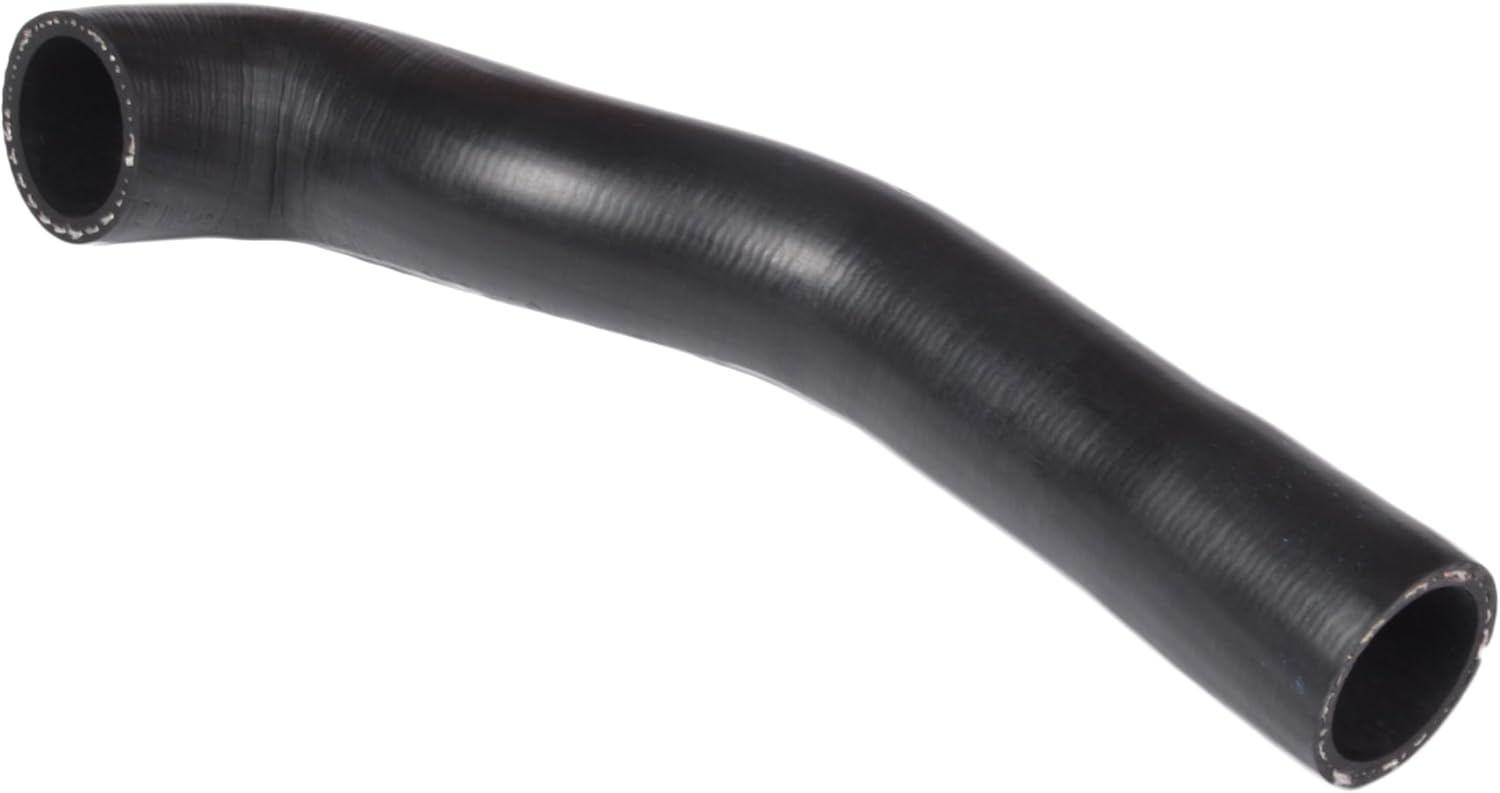
Figure 3: End view of the radiator hose, illustrating the internal diameter and material composition.
4. Malingaliro Ogwira Ntchito
Once installed, the radiator hose operates as an integral part of the vehicle's cooling system. No specific user operation is required beyond ensuring the cooling system is properly maintained.
Ntchito Yachibadwa:
- The hose will convey coolant between the engine and radiator, maintaining optimal engine temperature.
- It is designed to withstand typical engine compartment temperatures and pressures.
5. Kusamalira
Regular inspection of your radiator hose is essential for preventing cooling system failures.
Ndandanda Yoyendera:
- Inspect the hose at every oil change or at least twice a year.
- Check for signs of wear, cracks, bulges, or leaks.
- Feel the hose for softness or hardness; a healthy hose should be firm but pliable.
- Onetsetsani kuti payipi clampZili zotetezeka komanso zopanda dzimbiri.
Kuyeretsa:
- Keep the exterior of the hose clean from oil, grease, and other contaminants that can degrade the rubber.
Kusintha:
- Replace the hose immediately if any signs of damage or degradation are observed.
- Follow vehicle manufacturer recommendations for cooling system flush and hose replacement intervals.
6. Mavuto
This section addresses common issues related to radiator hoses.
Mavuto Odziwika ndi Mayankho:
| Vuto | Chifukwa Chotheka | Yankho |
|---|---|---|
| Kutentha Kozizira | Kumasula clamps, damaged hose, cracked radiator/engine connection. | Mangitsani kapena kusintha clamps. Inspect and replace hose if damaged. Check radiator/engine connections. |
| Kutupa/Kutupa kwa Paipi | Internal damage, excessive pressure, coolant contamination. | Replace hose immediately. Check cooling system for proper pressure and coolant quality. |
| Hose Hardening/Cracking | Age, heat exposure, chemical degradation. | Replace hose. This is a sign of normal wear and tear or Electrochemical Degradation (ECR). |
If you encounter issues not listed here or require further assistance, consult a professional automotive technician.
7. Zofotokozera
| Mbali | Tsatanetsatane |
|---|---|
| Nambala ya Model | 62463 |
| Mtundu | Kontinenti |
| Zakuthupi | EPDM (Ethylene Propylene Diene Monomer) |
| Inner Diameter (ID) Range | Inchi imodzi mpaka mainchesi 3 |
| Kutentha Kusiyanasiyana | -40°F mpaka 275°F (-40°C mpaka 135°C) |
| Kutsatira | Meets or exceeds SAE 20R4EC Class D1 specifications |
| Kukaniza | Electrochemical Degradation (ECR) |
| Miyeso Yazinthu | Pafupifupi 16.5 x 12 x 4 mainchesi (miyeso yapaketi) |
| Kulemera kwa chinthu | Pafupifupi ma ola 10.4 |
Chidziwitso: Zambiri zimatha kusintha popanda kuzindikira.
8. Chitsimikizo ndi Thandizo
For information regarding product warranty, please refer to the official Continental website or contact their customer support directly. Continental products are designed for durability and function in real-world conditions.
Zambiri zamalumikizidwe:
For technical assistance or warranty claims, please visit the Continental Store on Amazon or the official Continental webmalo.
When contacting support, please have your product model number (62463) and purchase details available.


